
Ingrown Toenail Treatment — Victoria Park
An ingrown toenail can go from “annoying” to “can’t wear shoes” surprisingly fast. If the nail edge is pressing into the skin, it can cause swelling, redness, infection and ongoing pain with walking.
At Victoria Park Podiatry, we focus on fast relief, reducing infection risk, and preventing the problem from recurring — whether that’s with conservative care or (when appropriate) a long-term nail surgery solution.
Signs your toenail is ingrown
- Sharp pain along one side of the nail, worse in closed shoes
- Swelling or “proud flesh” around the nail edge
- Redness, heat, discharge or a bad smell (possible infection)
- Repeated flare-ups after trimming
Why ingrown toenails happen
- Nail shape and genetic curvature
- Trimming nails too short or down the sides
- Tight footwear or repetitive toe trauma (sport, work boots)
- Thickened nails or fungal changes
- Excess sweating and soft skin around the nail
Treatment options
We tailor treatment to the severity and how often it comes back:
- Conservative nail care — careful removal of the offending nail spike and skin protection.
- Infection management advice — when to see your GP for antibiotics and how to keep it clean.
- Prevention plan — trimming technique, footwear advice, and strategies to reduce recurrence.
- Nail surgery (partial nail avulsion) — for nails that repeatedly ingrow despite good care.
Book ingrown toenail treatment
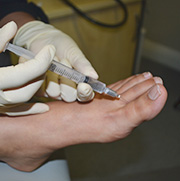
Is nail surgery the right option?
If you’ve had multiple painful flare-ups, missed work or sport, or keep getting infections, a partial nail procedure can be a very effective long-term fix. We’ll explain the process, aftercare and expected downtime in plain language.